
Introduction
The world of aviation is filled with remarkable stories of innovation, bravery, and adventure. Among these narratives, certain individuals and aircraft have emerged as hallmark legends in flight of legends america’s team, shaping the course of aviation history. This report delves into the lives of some of these legendary figures and their contributions to the field of aviation, exploring their achievements, challenges, and the enduring legacy they left behind.
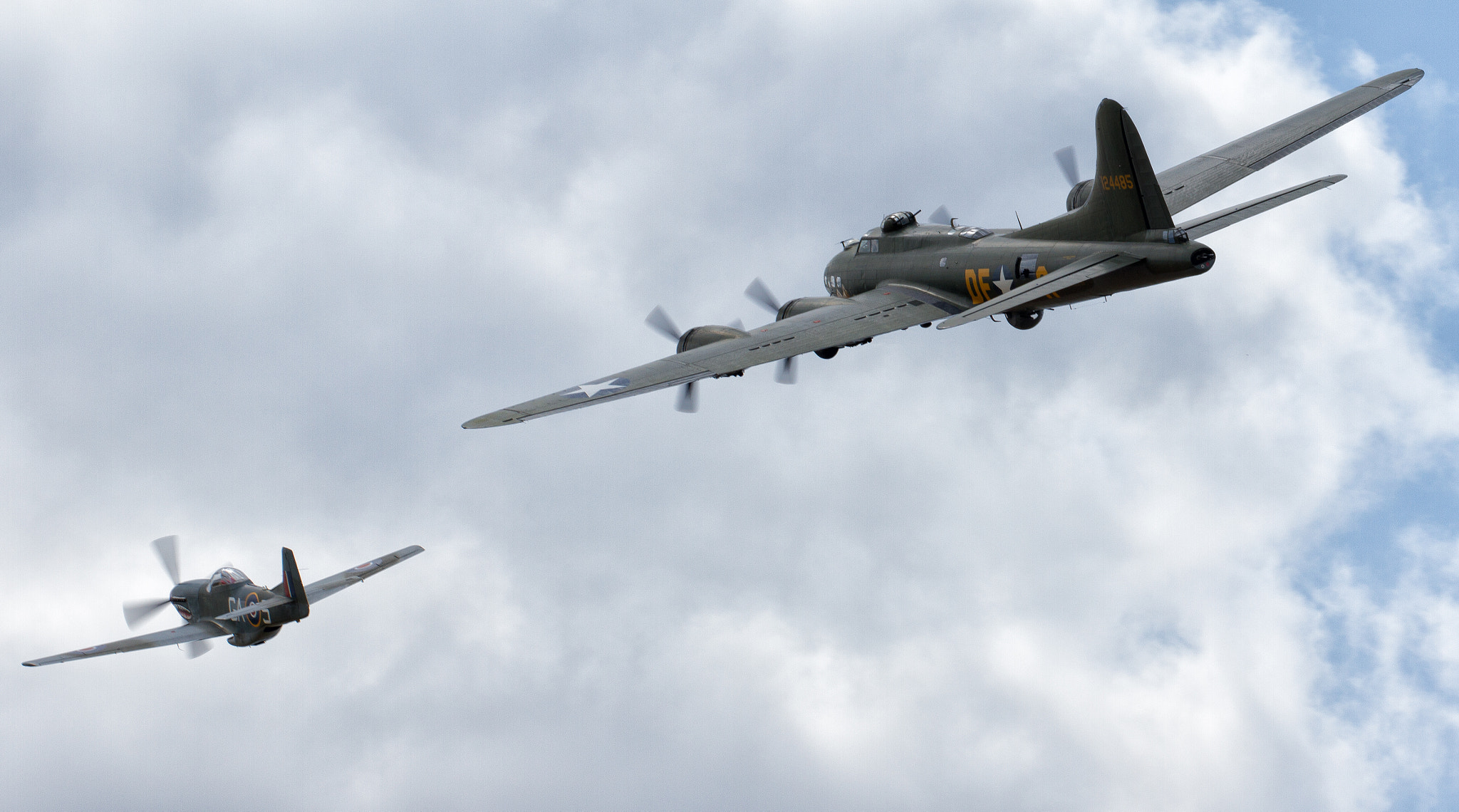
Pioneers of Aviation
- Orville and Wilbur Wright
The Wright brothers, Orville and Wilbur, are often credited with inventing the first successful airplane. In 1903, they achieved powered flight in Kitty Hawk, North Carolina, with their aircraft, the Wright Flyer. This monumental event marked the dawn of modern aviation. The brothers’ relentless pursuit of knowledge and their innovative spirit laid the foundation for the aviation industry. Their meticulous experimentation with wing designs and control mechanisms demonstrated the importance of engineering in achieving flight.
- Amelia Earhart
Amelia Earhart stands out as one of the most iconic figures in aviation history. She was the first woman to fly solo across the Atlantic Ocean in 1932, a feat that showcased not only her skill as a pilot but also her determination to break gender barriers in a male-dominated field. Earhart’s contributions extended beyond her flying achievements; she was a vocal advocate for women’s rights and played a significant role in promoting aviation as a career for women. Her mysterious disappearance in 1937 during an attempt to circumnavigate the globe only added to her legend, inspiring countless stories and theories about her fate.
- Charles Lindbergh
Charles Lindbergh became a household name after completing the first solo nonstop transatlantic flight in 1927. His journey from New York to Paris aboard the Spirit of St. Louis captured the world’s imagination and demonstrated the potential of aviation for long-distance travel. Lindbergh’s achievement not only earned him fame but also contributed to the public’s fascination with aviation, leading to increased support for the industry. His later work in aviation safety and conservation further solidified his legacy as a pioneer in both flight and environmental advocacy.
Military Aviation Legends
- Chuck Yeager
Chuck Yeager’s name is synonymous with breaking barriers in aviation. In 1947, he became the first person to break the sound barrier in the Bell X-1, a milestone that revolutionized aviation technology. Yeager’s fearless approach to flying and his exceptional skill as a test pilot made him a legend in military aviation. Throughout his career, he flew numerous aircraft and played a vital role in the development of supersonic flight, influencing future generations of pilots and engineers.
- Bessie Coleman
Bessie Coleman was the first African American woman to earn a pilot’s license in 1921. Facing racial and gender discrimination, she traveled to France to obtain her license, overcoming significant obstacles to achieve her dream. Coleman became a skilled aviator and performed in airshows, captivating audiences with her daring stunts. She used her platform to advocate for racial equality and inspired many to pursue careers in aviation. Her legacy continues to resonate today, as she remains a symbol of perseverance and courage.
Modern Aviation Icons
- Bob Hoover
Bob Hoover was a legendary test pilot and airshow performer known for his extraordinary flying skills and showmanship. He served as a fighter pilot during World War II and later became a test pilot for several aircraft, including the North American P-51 Mustang. Hoover’s innovative aerobatic maneuvers and ability to fly with precision made him a beloved figure in the aviation community. His contributions to flight safety and pilot training have had a lasting impact on the industry.
- Sully Sullenberger
Captain Chesley “Sully” Sullenberger gained international fame for his emergency landing of US Airways Flight 1549 on the Hudson River in 2009. His quick thinking and exceptional piloting skills saved the lives of all 155 passengers and crew on board. Sullenberger’s actions during the incident highlighted the importance of pilot training, decision-making, and crisis management in aviation. He became a symbol of professionalism and calm under pressure, earning accolades and inspiring future generations of pilots.
The Impact of Legends in Flight
The stories of these hallmark legends in flight extend beyond their individual achievements; they collectively represent the spirit of aviation. Their contributions have influenced the development of aircraft technology, aviation safety standards, and the role of pilots in modern society. These legends have inspired countless individuals to pursue careers in aviation, fostering a new generation of innovators and explorers.
Challenges Faced by Aviation Legends
Despite their remarkable achievements, many of these aviation legends faced significant challenges. From societal barriers to technical failures, their journeys were often fraught with adversity. For instance, Amelia Earhart faced skepticism and discrimination as a female pilot, while Bessie Coleman had to navigate a racially biased society. Their resilience in the face of these challenges serves as a powerful reminder of the importance of determination and perseverance in achieving one’s dreams.
Conclusion
The hallmark legends in flight have left an indelible mark on the world of aviation. Their stories of courage, innovation, and determination continue to inspire and motivate individuals around the globe. As we reflect on their contributions, it is essential to recognize the ongoing impact of these legends on the aviation industry and society as a whole. Their legacies remind us that the sky is not the limit; it is merely the beginning of a journey filled with endless possibilities. The aviation world will continue to evolve, but the stories of these remarkable individuals will forever remain etched in the annals of history, serving as a beacon of inspiration for future aviators.