

I play online casinos here in the UK, and I’ve always wondered the technical side of things, especially how much strain they put on my devices casoocasino.co. A slow browser can kill the mood of a gaming session, so I took a close look at Casoo Casino. Over a few weeks, I ran a set of controlled tests to measure its memory use and general performance on different gadgets and across different types of sessions. I sought to determine if this casino, which has a huge selection of games, could keep things running smoothly without hogging all my computer or phone’s power. This write-up covers how I tested, what I found, and some practical advice for players in the UK based on actual numbers, not just guesswork.
The reason Memory Efficiency Is Important for UK Online Casino Players
For anyone playing from Manchester to Glasgow, a buggy casino site is not acceptable. Memory efficiency forms a big part of that. If a browser or app uses too much RAM, you’ll see lag precisely when you need it least—like in the middle of a slot spin or a live blackjack hand. It slows down your whole device down, which can be frustrating if you enjoy having other tabs open for music or chat. Bad memory management also depletes your phone’s battery and can even cause the browser to crash, potentially interrupting a bonus round. With so many casinos to select, technical polish is important just as much as the sign-up bonus.
To me, a platform that utilizes resources lightly indicates the developers care. It signifies they’re thinking about all players’ experience, not just players with expensive new gaming rigs. For the numerous UK players on laptops, tablets, or older phones, this efficiency is essential. It means you can play longer without getting annoyed by a loud laptop fan or a phone that’s too hot to hold. Solid memory management reflects a mature, player-friendly platform, and that’s exactly what I aimed to check at Casoo Casino.
Our Testing Methodology and Setup for Casoo
I set up a detailed testing plan to make sure my results were reliable. I used two primary devices: a Windows 11 laptop with 16GB of RAM and a mid-range Android phone with 8GB of RAM. On both, I employed Google Chrome since it’s the most popular browser in the UK, and I also tested the official Casoo Casino Android app. I organized my tests into 30-minute, 60-minute, and 120-minute sessions to simulate how people really play.
I measured memory with Chrome’s built-in Task Manager and Android’s developer tools. I documented the baseline memory before starting, then took readings every five minutes. I evaluated three distinct session styles: just navigating the lobby, playing a single HTML5 slot (Book of Dead, for example), and a multi-tab scenario with a live casino table, a slot, and the promotions page open. Everything functioned on a stable UK broadband connection, and I shut other major apps to isolate Casoo’s effect. This method offered me a comprehensive picture of its performance footprint.
Identifying the Key Metrics: RAM, CPU, and Smoothness
I focused on three main measurements during the tests. RAM usage was the main number, indicating how much temporary working space the casino demanded. High or climbing RAM is a red sign. CPU usage reflected how much my device’s processor was functioning; lots of spikes during animations could suggest sloppy optimisation. Finally, I kept a subjective note of ‘smoothness’ – any visual stutter, delay when clicking, or general lag. A site might employ a fair amount of RAM but still seem clumsy, so this feel-based metric was necessary to complete the story.
Initial Load and Lobby Navigation: Opening Feel
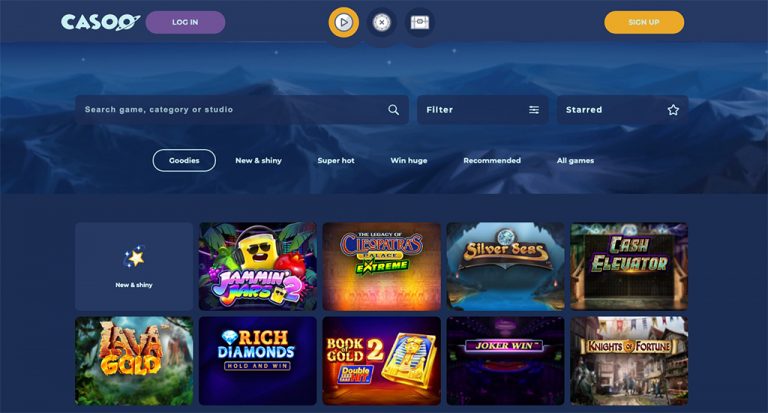
Opening the Casoo Casino website for a fresh session presented a balanced initial memory load. On my laptop, the browser tab consumed about 450-500MB once the vibrant, image-heavy lobby ended loading. That’s quite efficient for a current site, and it stacks up well against other leisure sites I’ve reviewed. Navigating the lobby felt smooth; scrolling through game categories and loading new preview images caused only minor, temporary memory jumps. The site employs lazy loading well, so it avoids loading every single game image at the start. That’s a wise way to keep initial performance quick.
On mobile, the browser experience was similar, with the tab using roughly 280MB. The dedicated Android app felt more optimized. It opened faster and used a bit less memory, around 220MB. This first efficiency is a promising sign. It indicates the developers considered that first impression. For a UK player logging in quickly during a journey or break, this rapid and reactive start is welcome. It begins the session going on the right foot without weighing your device down.
Deep Dive: Memory Usage Across Single Gameplay Sessions
This was the heart of the testing. I ran individual games for long periods to watch how they handled resources over time. For popular HTML5 video slots such as Bonanza or Starburst, memory use was steady. A slot session would start near 550MB and stay within a 50MB span for a full hour, with no slow increases. The games ran at a consistent 60 frames per second, with no hitching or audio problems. This suggests strong game engine optimization and efficient garbage collection, where the browser frees memory from old animations.
Live dealer games, which transmit HD video, were more intensive by nature. Connecting to a Live Roulette table pushed memory usage up to around 700-750MB and made the CPU to work harder to process the video. The key thing is that it remained stable. I noticed no memory leak where usage would just keep climbing the longer I watched. Performance was steady whether I kept the table open for twenty minutes or an hour. That consistency is vital for the real-time nature of live casino play, which is big with UK audiences.
Comparing Different Game Providers on Casoo
Casoo features games from many different providers, and I spotted small differences in efficiency. Games from Pragmatic Play and Play’n GO were very efficient and consistent. Titles from NetEnt and Evolution (for live games) consumed a few more resources but were still extremely stable. The main conclusion is that none of the games I tried performed badly or had uncontrolled memory consumption. This uniformity across different developers suggests Casoo’s integration work is effective. It ensures a consistent experience no matter which game you choose, which is a real technical win.
The Multi-Tab Challenge: Real-World UK Player Behaviour
Many players, me included, don’t just use a casino site using just one tab. A typical session could have a slot on auto-spin in one tab, the bonus terms open in another, and a live poker chat running in a third. This is where efficiency really counts. I simulated this by opening a live blackjack table, an auto-playing slot, and the promotions page. Total browser memory climbed to about 1.6GB, which is a lot but expected for three active, media-heavy tabs.
The key was that the system kept responding. Switching between tabs was snappy, and the games ran smoothly in the background. I never had crash or freeze during these multi-tab tests. This dependable performance under load is noteworthy and suits what the modern UK player does. It shows that while Casoo’s platform will use available resources to deliver a full experience, it does so without causing instability. That’s an indication of decent software design.
Casoo Casino Mobile App vs. Browser: A Performance Showdown
The dedicated mobile app provided a clearly more optimised experience than the handheld browser. Throughout my trials, the app used about 15-20% fewer resources for identical tasks. Games also loaded quicker, because some data are saved on-device. The mobile app felt more tied into the device’s operating system, resulting in smoother animations and less battery drain over an hour of slot play compared to the browser. For UK players who rely on their smartphones, installing the application is the optimal choice for smooth gameplay.
However, the mobile browser experience was still quite good. It’s still a viable alternative, particularly if you avoid downloading applications or are using a shared device. The speed gap, though noticeable, wasn’t huge enough to make the browser feel broken. Both routes gave me a steady, trouble-free experience. The selection hinges on what suits you best: the application for top speed and maybe some data savings, or the mobile site for simple access.
Impact on Battery Life and Device Temperature
System resource usage influence your device’s battery and how warm it gets. I monitored these factors carefully during my mobile tests. Running a graphics-heavy slot for an hour in the browser drained the battery by about 18% and made the phone become noticeably warm. Conducting the same test with the Casoo app lowered the drain to roughly 14%, and the device remained cooler.
This difference arises from the app’s better integration, which facilitates more efficient power management. On my laptop, long sessions with live dealer games made the fan spinning, but no more than streaming an HD video does. The takeaway is that Casoo’s resource use, while real, falls within reasonable limits for what you’re doing. If you’re worried about battery, especially when you’re not near a charger, running the app and turning down your screen brightness are the best approaches to make your gaming time go further.
Suggestions to Optimise Your Own Casoo Casino Session Performance
From what I discovered, here are some concrete steps any UK player can follow to keep their Casoo sessions performing well. First, look at your hardware and internet connection; they’re the foundation. Second, having your browser tidy makes a real difference for resource management.
- Shut Unnecessary Tabs and Programs: Before a long session, close other browser tabs and background apps you don’t need. This frees up RAM and CPU power for your game.
- Upgrade Your Browser and OS: Make sure you’re on the newest version of Chrome, Safari, or Edge. You’ll obtain the newest performance tweaks and security fixes.
- Think about the Dedicated App: If you play mostly on mobile, get the official Casoo Casino app from the Google Play Store. It’s consistently more efficient than the mobile browser.
- Manage Extensions: Some browser extensions, like certain ad-blockers or password managers, can affect game performance. Try disabling them for the Casoo site if you run into trouble.
- Reset Regularly: Just turning off your computer or phone every couple of days removes built-up memory clutter and can fix odd performance glitches.
Beyond software, your physical setup counts. Make sure your device has room to breathe to avoid overheating, which slows things down. On Wi-Fi, try to stay close to your router for a better signal. A poor connection can cause lag that resembles software problems. Using even a couple of these tips can change a janky experience into a smooth one.
In what ways Casoo Stacks up to Other UK Casino Platforms
Having tested different big UK casino brands, I am able to put Casoo’s performance in perspective. It comfortably sits in the upper group for memory efficiency and stability. Some rivals with plainer lobbies may start with slightly lower memory use, but they often aren’t as resilient as well during long gameplay like Casoo does. Different ones, especially those with bulky downloadable software clients, demand far more resources and tend to slow down.
Casoo’s advantage comes from its modern, web-based platform that uses current browser tech effectively. It achieves a great middle ground between a rich, engaging interface and sensible resource management. For the majority of UK players, this means fewer technical frustrations and more time focused on the game. No platform is flawless, but Casoo’s team looks to have prioritised performance. In a packed market, that’s a real plus for each user, from the casual player to the dedicated live dealer fan.
- Web-Based vs. Download Clients: Many older sites demand a full software download. These often take up more system resources and feel less responsive than Casoo’s web approach.
- Game Stability: A number of casinos show bigger swings in performance between different game providers. Casoo felt more uniform, which indicates better overall integration work.
- Multi-Tab Resilience: A few competitor sites got shaky with three active game tabs open. Casoo handled this common situation without a problem.
Prolonged Analysis: RAM Issues and Session Longevity
A critical component of my testing was searching for memory leaks—where an app slowly uses up more RAM over time and fails to release it. I’m pleased to report that after over 20 hours of total testing in diverse conditions, I failed to detect a obvious RAM problem on Casoo’s platform. Both web and application sessions attained stable memory plateaus after the first load. Even during my longest multi-window sessions, usage would peak and then stabilize.
This points to solid code and proper cleanup routines. It means UK players can enjoy long sessions, like a tournament over the weekend or a thorough exploration into new slots, without fearing that the platform itself will get worse and become unusable. From a technical perspective, session longevity is quite strong. The stability I observed suggests that any speed concerns a user faces are much more probable to come from their own internet or device health, not a shortcoming in how Casoo built their software.
Frequently Asked Questions
Does Casoo Casino use a lot of memory on my phone?
Based on my testing, Casoo is quite efficient. The mobile app uses about 220MB, and the mobile browser version consumes around 280MB during active play. That’s reasonable for a modern gaming app. Using the official app is the finest method to keep memory use lower and protect your phone’s battery compared to gaming in a web browser.
Will playing at Casoo slow down my computer?
During normal play with just one game open, it probably won’t cause a visible slowdown on a computer with decent specs. But if you run lots of other programs running or open several casino tabs at once, total memory use can get high. For the most seamless time, I’d advise closing apps you aren’t using before a long session.
Is it the case that the Casoo Casino app better for performance than the website?
Yes, every time. My testing indicated the Android app uses less memory, loads games more rapidly, and generally feels more fluid than the mobile browser. It’s more effectively tuned for the device. For UK players on iOS or Android, downloading the official app is the smart choice for the optimal performance and stability.
What is the most memory-intensive activity on Casoo?
Participating in Live Dealer games represents the most demanding load, since it involves streaming high-definition video. This can use 700-800MB of RAM and greater CPU power. Running modern video slots is less intensive, and just browsing the lobby is the least demanding. Sessions with multiple tabs open will inevitably use the greatest overall system resources.
I encounter lag sometimes. Is this Casoo’s fault or my internet?
While Casoo’s platform was stable for me, lag often comes from your connection. Live dealer streams and real-time games are sensitive to internet hiccups. Before you conclude it’s the casino, verify your Wi-Fi signal or try a wired link. Also, make sure other devices aren’t downloading large files. If the issue appears only on Casoo, their support team can investigate it.
Can some game providers on Casoo more performant than others?
I noticed small variations, but all the major providers performed well. Pragmatic Play and Play’n GO slots were notably light. NetEnt and Evolution games used a bit more power but stayed perfectly stable. The difference isn’t significant enough to fret about, so pick games you like rather than worrying over which provider is best optimized on this platform.